How to run cost effective marketing campaigns without compromising on results
August 31, 2026
You don’t always need a huge marketing budget to make people notice your brand.Sometimes, a well-planned campaign with a clear idea can do more than a campaign that simply spends more.
The key is not just how much you spend, but where you spend it, who you reach and what you do with the attention you get.So, how can brands run marketing campaigns that are cost-effective while still creating an impact?
01 Start with one clear goal
Before spending anything, know what you want the campaign to achieve.
Are you trying to increase awareness? Generate leads? Drive sales? Promote a product launch? Bring people to your website?
Brand Awareness
Lead Generation
Direct Sales
Trying to achieve everything with one campaign can quickly increase costs without giving you a clear way to measure success.A focused goal makes it easier to decide where your budget should go.
Know Exactly Who You’re Talking To.The broader your audience, the easier it is to waste your budget.Instead of trying to reach everyone, identify the people who are most likely to be interested in what you offer.Think about their interests, behaviour, location and the platforms they actually use.
When you know your audience, your campaign becomes more focused — and your budget can work harder. Let Good Ideas Do the Heavy Lifting.You don’t always need an expensive production to create content that gets attention.
A strong concept, relatable message or timely idea can often be more effective than simply making something look expensive.Think about the content people naturally want to share, save or talk about.
02 Choose the right platforms
Being everywhere isn’t always necessary.
If your audience is spending most of its time on Instagram, putting the same budget into five different platforms may not make sense.Start with the platforms where your audience is most active and where your content has the best chance of performing.
You can always expand once you understand what works.
03 Make the most of the content you create
One piece of high-quality content should yield multiple assets across various formats and mediums
Hero Campaign Video
can become short reels.
Photoshoot Session
can provide social media posts.
Creator Collaboration
can become paid advertising content
Long-form Article
can be broken into smaller pieces.
Getting more useful content from the same production effort helps stretch your marketing budget.
04Work with creators who fit your audience
Influencer marketing doesn’t always mean working with the person who has the biggest following.Niche and micro-creators can help brands reach highly relevant communities without the cost associated with larger celebrity creators.
The important question is not simply:
“How many people will see this?” It’s:
“How many of the right people will care?”
05 Test before you scale
Putting your entire budget behind one idea can be risky.Instead, test different creatives, messages, audiences or formats with smaller budgets.Look at what gets attention and what drives meaningful actions.Once you know what’s working, you can put more of your budget behind it.
This approach helps reduce guesswork and gives you more control over where your money goes.
06 Don’t forget about organic marketing
Paid campaigns can help you reach people quickly, but organic content can keep the conversation going.Social media posts, community engagement, useful content, email marketing and collaborations can continue supporting your campaign without requiring the same level of paid media spending.
The strongest campaigns often combine paid and organic efforts rather than depending entirely on one.
07 Track more than just views
A campaign getting thousands of views doesn’t necessarily mean it is successful.
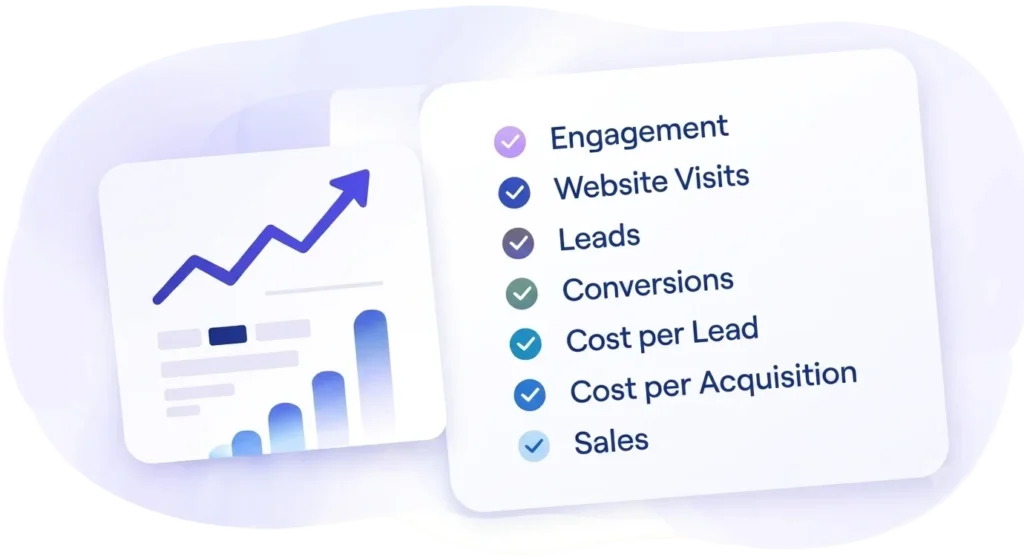
Depending on your objective, look at metrics such as:
Your budget should ultimately be connected to an outcome, not just a number on a dashboard.
Learn from every campaign
Not every campaign will perform exactly as expected and that’s okay. A campaign that doesn’t meet its target can still tell you something valuable about your audience, content or messaging. Use those insights for the next campaign instead of starting from zero every time.
Over time, this can make your marketing more efficient and reduce unnecessary spending.Spend Smarter, Not Just MoreCost-effective marketing isn’t about cutting every possible expense. It’s about making sure every part of your campaign has a purpose.
"Because a bigger budget can buy more reach. But better strategy can make that reach count.
"